
Evaporator Coil Replacement in Tampa, Florida
When Your Indoor Coil Goes Bad
Your AC is running but not cooling, or worse—it's leaking water and freezing up. A failing evaporator coil is likely the culprit, and that's a major problem that won't fix itself. At On The Way Heating & Air, we specialize in expert evaporator coil replacement to get your system running like new. Call before 1 PM and we'll be there today, or you don't pay.
At On The Way Heating & Air, we replace evaporator coils throughout North Tampa—Carrollwood, New Tampa, USF, Temple Terrace, Wesley Chapel. We'll diagnose whether your coil can be repaired or needs replacement, and we'll be straight with you about whether repair makes financial sense.
Let's talk about evaporator coils, what makes them fail, and how to decide if replacement is the right call.
What Is an Evaporator Coil?
The evaporator coil is where the actual cooling happens in your AC system.
Location: Inside your house, usually in the air handler or mounted on top of your furnace in the attic, closet, or garage.
What it does: Cold refrigerant flows through the coil. Your blower pulls warm air from your house across the coil. The refrigerant absorbs the heat from that air, cooling it down before it's blown back through your vents. The refrigerant—now heated up—flows back outside to the condenser where it releases that heat.
It's also a dehumidifier: As warm, humid Tampa air hits the cold coil, moisture condenses out and drips into the drain pan below the coil. That's why your AC removes humidity—the evaporator coil is doing double duty cooling and dehumidifying.
When the evaporator coil fails, none of this works properly. No heat absorption means no cooling. And if it's leaking refrigerant, you've got bigger problems.
Signs Your Evaporator Coil Has Failed (or Is Failing)
Ice Buildup on the Coil or Refrigerant Lines
Ice forming on the copper lines or visible ice on the coil itself. Frozen coils usually mean either low refrigerant (from a leak) or restricted airflow. Either way, if the coil's freezing repeatedly, it's likely damaged.
No Cooling Despite System Running
Air's blowing but it ain't cold. Compressor's running outside, but your house won't cool down. Could be a leak in the evaporator coil—refrigerant's escaping, so there's nothing cold flowing through the coil to absorb heat.
Water Leaking from the Air Handler
Water dripping from your ceiling near the air handler, or pooling around the unit. Sometimes it's a clogged drain line, but sometimes it's a cracked drain pan under a leaking coil, or ice melting from a frozen coil.
Hissing Sounds from the Air Handler
Refrigerant leaking from the evaporator coil makes a hissing noise as it escapes under pressure. If you hear hissing near your indoor unit, that's a leak.
Sweet Chemical Smell
Some refrigerants have a slightly sweet smell. If you smell something chemical-sweet near your air handler, could be refrigerant leaking from the evaporator coil.
System Short Cycling
AC turns on, runs for a couple minutes, shuts off, repeat. Low refrigerant from a coil leak causes pressure issues that make the system cycle on and off rapidly.
Why Evaporator Coils Fail in Tampa
Corrosion from Condensation
Your evaporator coil is wet constantly during cooling season—condensation forms on it all day, every day. Tampa's humidity makes this worse. Over time, moisture plus dirt and sometimes mold create corrosive conditions. The coil develops pinhole leaks. This is the #1 cause of evaporator coil failure.
Formicary Corrosion
Specific type of corrosion that eats through copper coils from the inside out. Looks like ant tunnels (hence "formicary"). Caused by reaction between copper, moisture, and certain chemicals in the air—household cleaners, VOCs from building materials, etc. Common in newer homes.
Clogged or Dirty Coils
If you don't change filters regularly, dirt bypasses the filter and coats the evaporator coil. Dirty coils restrict airflow, cause freezing, and hold moisture that accelerates corrosion.
Freezing Damage
Repeated freeze/thaw cycles from low refrigerant or airflow problems physically damage coil fins and can crack tubing.
Poor Installation
Improperly brazed connections during original installation can develop leaks over time. Coils installed without proper drainage slope can hold standing water that causes corrosion.
Age
Evaporator coils last 10-15 years typically. In Tampa's humid climate with heavy use, some fail sooner. Once corrosion starts, it's progressive.
Deep Dive: How We Diagnose Evaporator Coil Problems
Before recommending coil replacement, we verify what's actually wrong.
Visual Inspection
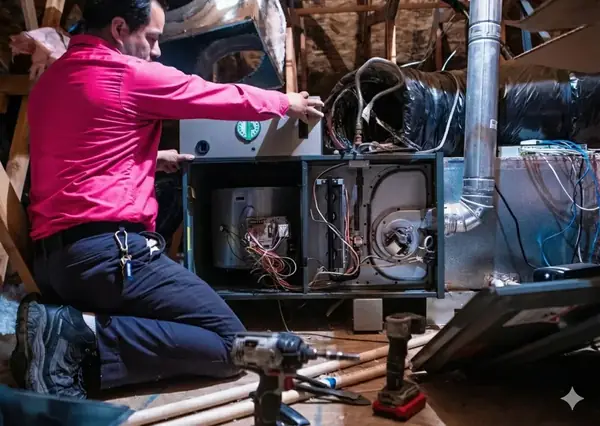
We open the air handler and examine the coil. Looking for: visible ice, corrosion on the fins or tubing, obvious physical damage, dirt buildup, and water stains that indicate leaks.
Refrigerant Pressure Testing
We check system pressures. Abnormal pressures indicate refrigerant leaks. Low suction pressure often points to evaporator coil issues.
Leak Detection
If we suspect a leak, we use electronic leak detectors to pinpoint where refrigerant's escaping. For evaporator coils, UV dye is sometimes necessary—we inject dye into the system, let it circulate, then use a UV light to find where it's leaking.
Airflow Testing
We measure airflow across the coil. Restricted airflow from dirty coils or blocked returns causes freezing and other problems.
Temperature Differential Testing
We measure the temperature of air entering the coil versus air leaving it. Should be 15-20 degrees difference. Less than that indicates coil problems or refrigerant issues.
Pro-Tip: Multiple small leaks in an evaporator coil often mean the entire coil is corroding. Patching one leak doesn't stop others from developing. That's when replacement makes more sense than repair.
Deep Dive: The Evaporator Coil Replacement Process
Evaporator coil replacement is major surgery for your AC system. Takes 4-6 hours typically.
Refrigerant Recovery
First step is always recovering the refrigerant from the system using EPA-approved equipment. Can't just vent it—that's illegal and terrible for the environment.
Accessing the Coil
We remove panels on the air handler to access the evaporator coil. Sometimes the whole air handler has to come apart.
Disconnecting Everything
Cut the refrigerant lines, disconnect electrical connections to any coil sensors, remove the drain line connections, and unbolt or unstrap the coil from the air handler.
Installing the New Coil
Position the new coil (must match your system's tonnage and refrigerant type), reconnect drain lines making sure there's proper slope, braze the refrigerant lines using nitrogen purge to prevent oxidation, install new filter drier, reconnect electrical sensors.
Pressure Testing
Pressurize the system with nitrogen to verify no leaks in our new connections or in the new coil itself.
Evacuation
Pull a deep vacuum on the system (30+ minutes) to remove all air and moisture. Moisture in an AC system causes acid formation and destroys components.
Recharging
Charge the system with the correct amount and type of refrigerant. We weigh it in—don't guess.
Testing
Run the system, verify proper cooling, check all pressures and temperatures, measure airflow and temperature split, confirm no leaks.
Pro-Tip: New evaporator coil must match your outdoor unit—same tonnage, compatible with the same refrigerant. Mismatched systems don't work efficiently.
Replace the Coil or Replace the Whole System?
This is the big decision when your evaporator coil fails. Coil replacement is expensive—often thousands of dollars.
Replace Just the Coil When:
- System is less than 8 years old
- Rest of the system (compressor, condenser, air handler) is in good shape
- Coil is under warranty (you pay labor only)
- You're happy with the system's performance
- System uses modern refrigerant (410A or 454B)
Replace the Whole System When:
- System is 12+ years old
- Uses R-22 refrigerant (Freon)
- Compressor or other major components are also failing
- System's had multiple repairs recently
- Efficiency is poor and electric bills are high
- Coil replacement cost approaches 50% of new system cost
The R-22 Problem: If your system uses R-22 refrigerant (phased out in 2020), replacing just the evaporator coil might not make sense. R-22's expensive and getting scarcer. Plus your system's old enough (10+ years minimum) that other failures are coming. New systems use modern refrigerant, are way more efficient, and come with full warranties.
How to Prevent Evaporator Coil Failure
Can't prevent coils from eventually failing, but you can extend their life.
Change Filters Monthly
Dirty filters let dirt bypass and coat your coil. They also restrict airflow which causes freezing. Monthly filter changes during cooling season are essential.
Get Annual Maintenance
Professional maintenance includes coil inspection and cleaning. Catches corrosion and small leaks early before they become major failures.
Keep Drain Lines Clear
Clogged drain lines cause standing water in the drain pan which accelerates coil corrosion. Monthly vinegar treatment prevents clogs.
Address Refrigerant Leaks Immediately
Running with low refrigerant causes coil freezing which damages coils. If you suspect a leak, get it fixed right away.
Maintain Proper Airflow
Don't block vents, keep the blower clean, make sure ductwork's in good shape. Proper airflow prevents freezing.
Related AC Services
Need other AC services? We've got you covered:
- AC Repair – Fast diagnosis and repair of all AC problems.
- Condensate Drain Cleaning – Prevent water damage from clogged drains.
- AC Replacement – When it makes more sense to replace the whole system.
- AC Maintenance – Preventive maintenance to extend coil life.
Why Choose On The Way for Evaporator Coil Replacement
Honest Assessments
We'll tell you straight whether coil replacement makes sense or if you're better off replacing the whole system. No pressure, just facts and numbers.
Proper Installation
We do every step right—nitrogen purge during brazing, deep vacuum, exact refrigerant charge. No shortcuts.
Warranty Support
We help you navigate manufacturer warranties and handle all the paperwork.
Licensed and Certified
EPA-certified for refrigerant handling, licensed for the complete job.
Frequently Asked Questions
How long does evaporator coil replacement take? +
4-6 hours typically. Could be longer if the air handler's hard to access or if there are complications.
Can a leaking evaporator coil be repaired? +
Sometimes, if it's a single accessible leak. But multiple leaks or leaks in hard-to-reach areas mean replacement. Coils that are generally corroding will keep developing new leaks even if we patch one.
Will a new coil improve my cooling? +
If the old coil was leaking or heavily corroded, yes—you'll notice better cooling and humidity control. If the old coil was just dirty, cleaning might have been enough.
Can I replace just the indoor coil or do I need to replace the outdoor unit too? +
Usually you can replace just the indoor coil if the outdoor unit is compatible and in good shape. But on old systems (10+ years), replacing both often makes more sense.
What's the difference between cleaning a coil and replacing it? +
Cleaning removes dirt and debris—it's preventive maintenance. Replacement means the coil's failed (leaking, corroded, damaged) and cleaning won't fix it.
Ready to Get Your Evaporator Coil Replaced?
Failed evaporator coil means no cooling and potential water damage. Let's diagnose it properly and give you real options.
Call 813-922-2209 to schedule your evaporator coil diagnosis or fill out the form below.
Serving all of North Tampa—Carrollwood, New Tampa, USF, Temple Terrace, Wesley Chapel, and along Bruce B. Downs Boulevard.
*Same-day service guarantee: Calls received before 1 PM on regular business days—if we can't make it the same day, your diagnostic/service fee is waived.